Getting Promoted Faster in 2026

Malaika M Khan
Last Updated: July 4, 2026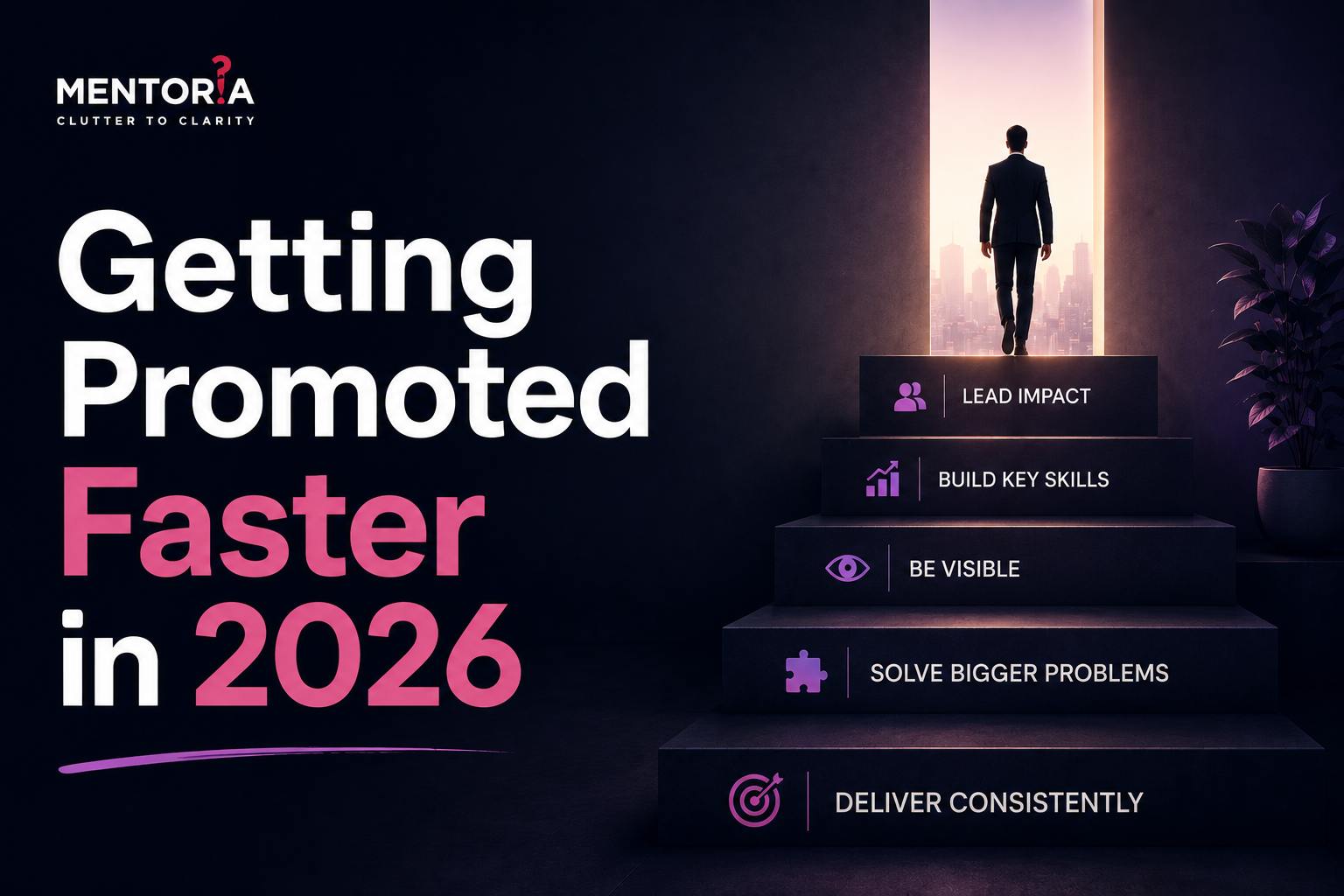
The Colleague Who Gets Promoted Every Year Is Not a Better Worker. Here Is What They Are Doing.
Getting promoted faster than your peers is not about working harder. And if you are navigating AI job search India right now, understanding what actually drives promotion decisions matters just as much as the job itself.
You know the one. Same joining date. Similar experience. Probably works comparable hours. But every performance cycle, their name comes up. And yours does not.
The instinct is to assume they are just better at the job. But the data says something different entirely.

Promotions in 2026 Do Not Go to the Hardest Workers
For two decades, the career playbook was simple: outwork everyone, raise your hand for the hardest projects, and make sure leadership knows your name. According to Metaintro’s analysis of 2026 promotion patterns across companies including Microsoft, Salesforce, Walmart, and Amazon, that playbook is quietly costing people promotions right now.
Managers in 2026 promote for leverage, not luminosity. In flat organisations where one director oversees 15 to 20 reports instead of the six to eight of the pre-pandemic era, managers rely heavily on peer signal to make promotion calls. They simply do not have enough time for individual observation. So the colleague who quietly improves the team becomes more visible to leadership than the colleague who tries to be visible. Furthermore, the single highest-correlation behaviour with promotion in 2026 is what researchers call “leverage output”: the measurable improvement of a colleague’s work because of your input. This shows up in performance reviews as “raised the bar for the team” rather than a list of your own achievements.
Getting Promoted Faster: What the Work Actually Shows
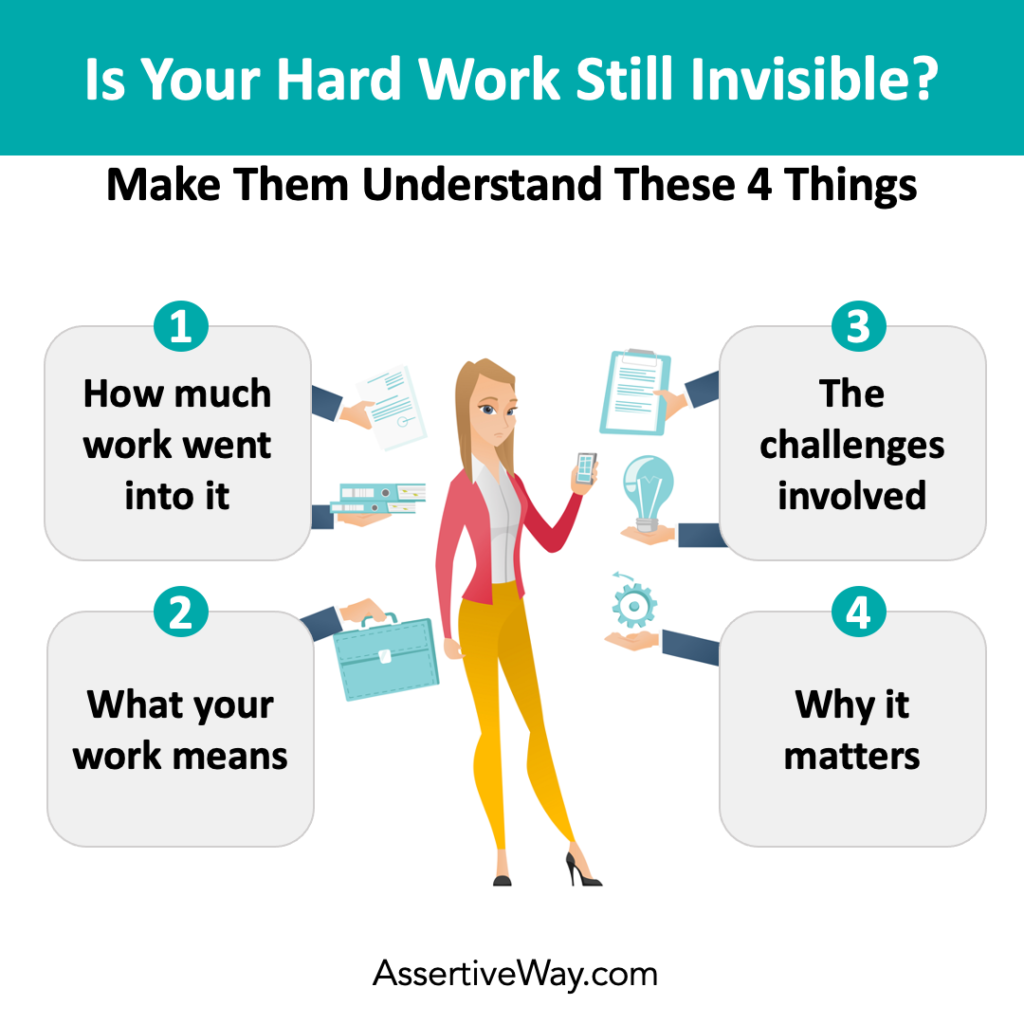
Visibility is not the same as performance. However, in most workplaces, visibility is what drives the promotion decision.
According to Pro-Orator Academy’s 2026 research on Indian workplace dynamics, promotions in 2026 go not to those who work silently but to those who communicate their impact clearly and consistently. Good work matters. Communicated work matters more.
Research from Tech School Info (2026) identifies the specific behaviours that consistently separate fast-tracked professionals from their peers:
Maintaining a private wins document, updated weekly. Three to five bullet points every two weeks to your manager about what moved forward and what impact it had. This single habit separates fast-tracked employees from everyone else.
Speaking up in meetings with prepared, data-backed insights. Volunteering to present project updates to senior leadership. Offering to lead cross-functional projects. People who present to leadership get promoted to leadership.
Asking for a sponsor, not just a mentor. Mentors give advice. Sponsors open doors. Identifying two or three senior leaders and building genuine relationships through consistent value is consequently one of the most direct routes to being visible when promotion decisions happen.
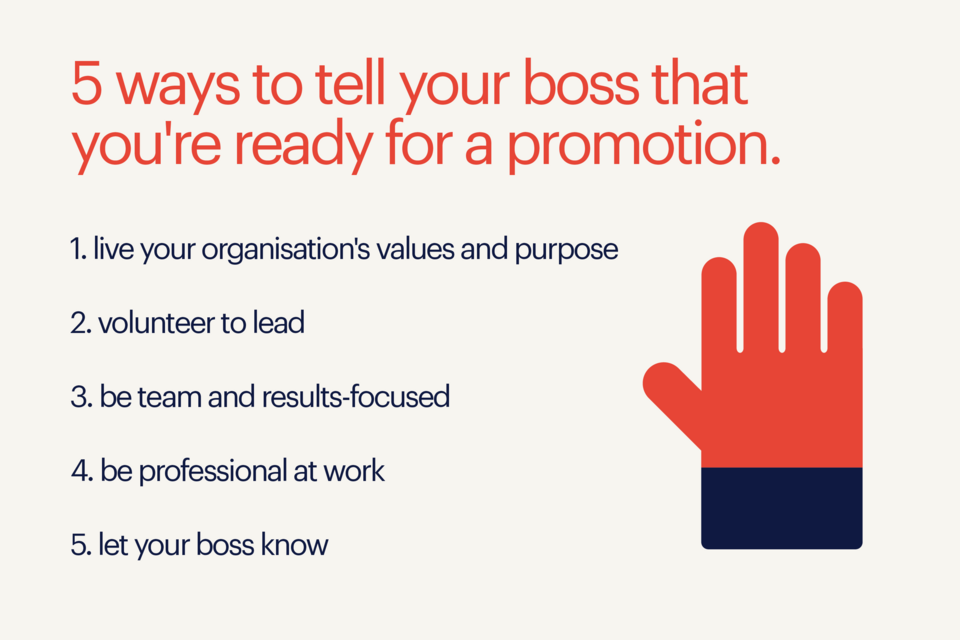
The Promotion Request Nobody Makes
Most professionals wait to be noticed. Consequently, most professionals wait a long time.
According to Upskillist’s 2026 career growth research, promotions now prioritise proven skills and results over years of service. Data-driven evaluations replace tenure-based advancement. In addition, 90% of workers rank clear career paths as their top job priority, according to InFeedo’s 2026 career pathing research. However, most never explicitly discuss what that path looks like with their manager.
The conversation that separates fast-tracked employees from everyone else is simple: ask your manager directly what getting to the next level looks like, then document the answer. Do it once a quarter. Make the progress visible.
When Staying Put Becomes Staying Behind
Sometimes the issue is not visibility. Sometimes the environment does not reward the kind of contribution you make, regardless of how clearly you communicate it.
When that is the case, knowing your options quietly keeps the decision in your hands.
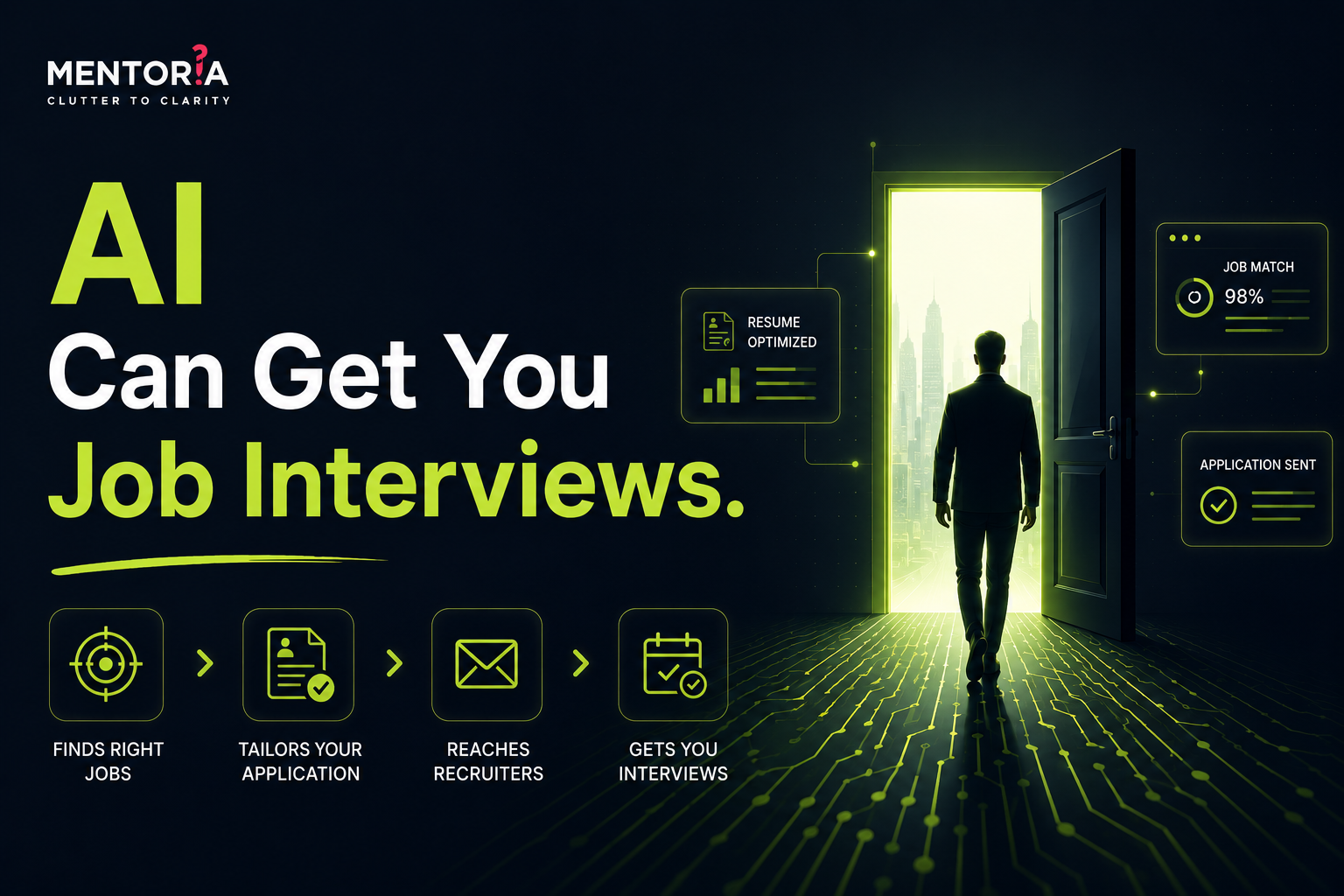
Arya by Mentoria, India’s AI Job Hunter, runs your job search in the background while you stay focused on your current role. Arya’s 7 interconnected AI agents scan 84,000+ jobs monthly across every major Indian portal, deliver the 15 most relevant roles to you daily, build ATS-ready CVs, tailor your resume for each specific role, find recruiter email addresses directly, submit applications, and follow up automatically.
So you do not have to choose between doing your current job well and knowing what else is out there. Arya handles the search. You handle the work.
25,000+ job seekers across India already switched. Start free at arya.mentoria.com.